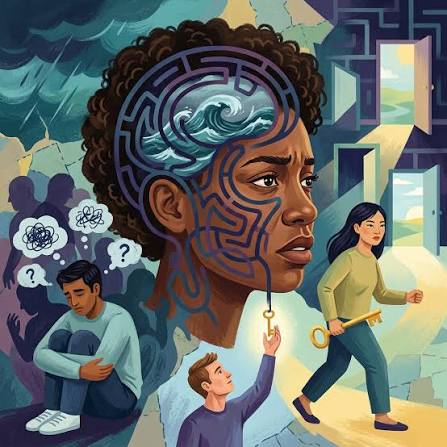
Mental therapy is a structured process that helps individuals manage emotional distress, change unhelpful thought patterns, and build coping skills. Approaches such as cognitive behavioral therapy and dialectical behavior therapy target different aspects of mental health, and clinicians choose among them based on the client’s needs. Therapy benefits people who experience anxiety, depression, trauma, or relationship difficulties. Because it builds skills that carry over into everyday routines, it can improve daily functioning at work and at home. Here is more information on what mental therapy involves, the main approaches used in practice, and how therapy affects daily life:
What Is Mental Therapy?
Mental therapy, also called psychotherapy, is a collaborative process between a licensed clinician and a client. The clinician uses established psychological methods, and these methods help the client understand their thoughts, emotions, and behaviors. Sessions may occur weekly. Although a session may focus on a specific concern, such as anxiety, it will also address a broader goal, such as improved self-awareness.
What Are the Different Approaches?
Several therapeutic models address mental health concerns, and each model uses distinct techniques. Cognitive behavioral therapy (CBT) focuses on the connection between thoughts, feelings, and behaviors. A therapist helps the client identify distorted thinking patterns, and the client then replaces them with more accurate, balanced perspectives. This approach may work for anxiety, depression, and stress-related concerns because it targets the thought patterns that sustain these conditions.
Eye movement desensitization and reprocessing (EMDR) addresses trauma by helping the brain reprocess distressing memories. During sessions, the therapist guides the client through bilateral stimulation while the client recalls a traumatic event. The therapist monitors the client’s responses, and the client reports any changes in emotion or sensation. As the process continues, the emotional intensity attached to the memory decreases, and the client can recall the event with less distress.
When used in treatment, dialectical behavior therapy (DBT) combines cognitive techniques with mindfulness practices to support emotional regulation. DBT helps individuals who manage self-harm behaviors or chronic suicidal thoughts. Clients may learn mindfulness, distress tolerance, emotion regulation, and interpersonal effectiveness. Each skill set addresses a specific difficulty, and clients can practice these skills between sessions.
How Is Daily Life Affected?
Therapy changes daily life in measurable ways. Clients may report improved sleep, and they potentially experience clearer communication with family members. Because the coping skills practiced in sessions carry over into everyday routines, clients may develop a greater capacity to manage work-related stress.
Some clients may also notice a shift in how they interpret setbacks. Instead of reacting to a difficult event with overwhelming distress, a person who has engaged in therapy can respond with more control. This shift supports better decision-making at home, in relationships, and at work, and it reinforces the skills the client continues to practice. Progress is rarely immediate. Clients typically attend sessions for several months before they notice substantial changes.
Who Does Therapy Help?
Therapy supports a wide range of individuals, including:
- Individuals managing anxiety disorders, depression, or trauma-related conditions
- People experiencing grief, relationship conflict, or major life transitions such as divorce or job loss
- Those seeking to build self-awareness, strengthen communication skills, or manage ongoing stress
Seek Professional Help Today
Mental therapy supports improved emotional regulation, clearer thinking, and stronger relationships. Approaches like CBT, DBT, and EMDR each address different needs, and they allow a therapist to match treatment to the specific concern. The daily benefits may develop gradually through consistent engagement with the process. If you are evaluating therapy, reach out to a licensed mental health provider to discuss your symptoms and goals.
- What Does Sports Medicine Entail?
- Using EMSella for Pelvic Health
- Navigating Post-treatment Care After Halo Laser Resurfacing
- Physical Therapy Rehabilitation Techniques
- The Transformative Power of Mental Therapy in Daily Life
