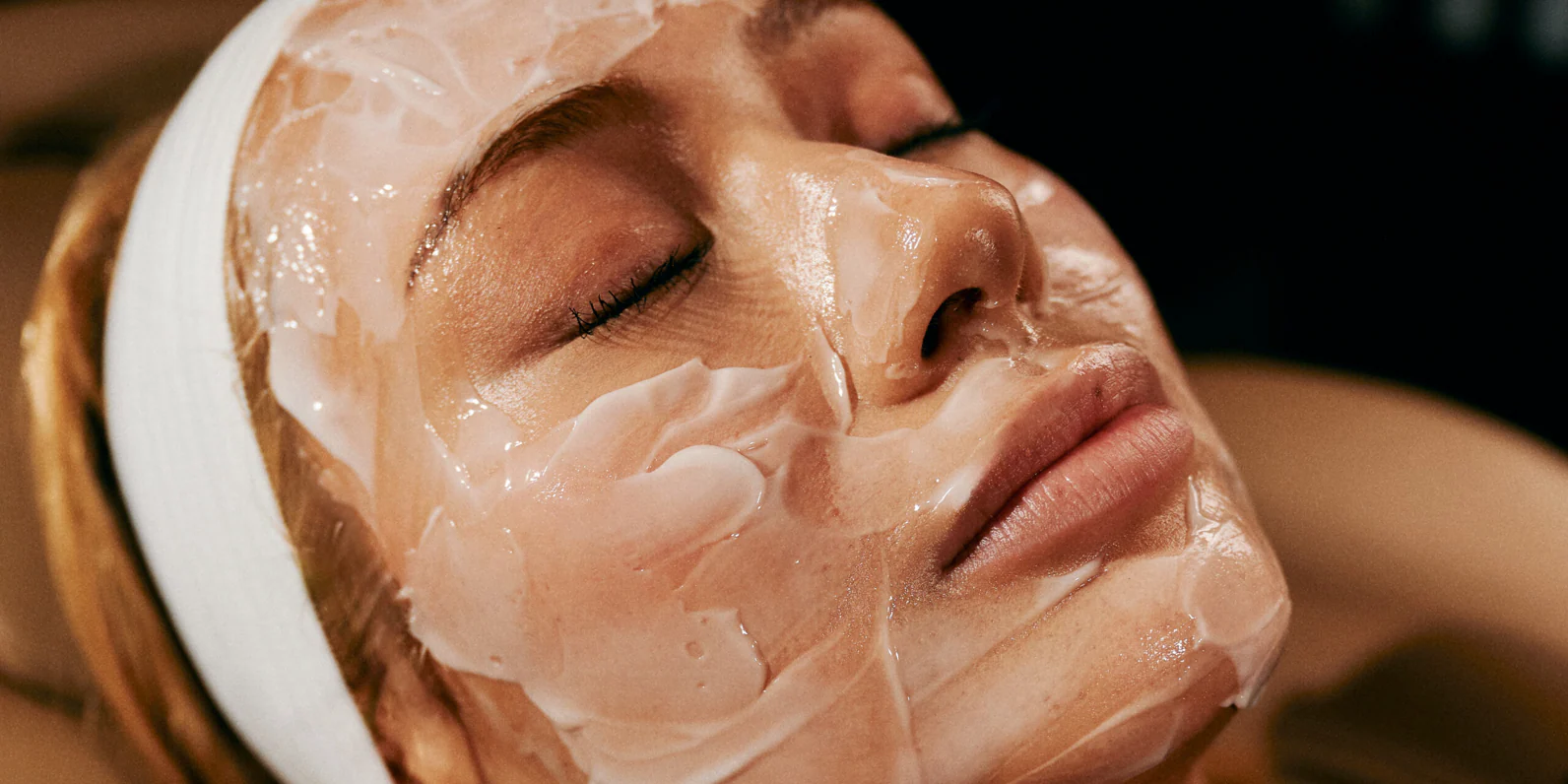
Halo laser resurfacing is a hybrid fractional laser treatment for the face and body, and it delivers two wavelengths that each target a different layer of skin. Since the laser creates thousands of tiny treatment zones, your skin needs time to recover. Redness, swelling, and a rough, bronzed texture may appear during the first week. This is how to navigate post-treatment care:
Cleanse Face Gently
Your skin feels tender after treatment, so gentle cleansing comes first. Your provider may recommend starting a cleansing routine the morning after your Halo laser resurfacing session. When you wash, use your fingertips instead of a cloth or brush. A few basic habits keep this step simple:
- Use lukewarm water, not hot water.
- Choose a mild, fragrance-free cleanser.
- Pat your skin dry with a clean, soft towel.
- Skip scrubs, exfoliating acids, and retinoids.
As the treated skin flakes, you may feel tempted to rub or peel it, but let the dead skin shed on its own schedule. Picking at flakes may irritate the skin, and it raises the risk of infection or scarring. Most flaking fades within five to seven days.
Keep Skin Hydrated
Laser resurfacing temporarily weakens the skin’s moisture barrier. This layer normally keeps moisture in and irritants out. When the barrier is disrupted, water escapes from the skin more quickly. A bland moisturizer helps hold that water in, and it may ease the tight feeling.
Apply a thin layer of moisturizer several times a day. Your provider may give you a specific ointment, or they may suggest a gentle cream. If your skin feels tight or itchy, add another light layer. Thick, heavy coats may trap heat and feel uncomfortable.
While your skin recovers, drink water throughout the day. Choose products without fragrance, alcohol, or active ingredients like vitamin C. These ingredients may sting freshly treated skin, so save them until your provider clears you. Keep a short list of approved products in your bathroom.
Protect Skin From the Sun
Your skin may react strongly to ultraviolet (UV) light after Halo, and sun exposure may cause dark patches. Providers may advise staying out of direct sun for at least one week. Once you return outdoors, follow these habits:
- Apply a mineral sunscreen with SPF 30 or higher.
- Reapply sunscreen every two hours outdoors.
- Wear a wide-brimmed hat and sunglasses.
- Plan errands for early morning or evening.
Car windows let some UV light through, so protection matters during drives too. Tinted mineral sunscreens add a layer of visible-light protection. If you plan a beach trip or outdoor event, schedule it several weeks after treatment.
Follow the Provider’s Advice
While many aftercare steps overlap, each provider writes instructions for a specific treatment plan. Your laser settings, skin type, and treatment depth shape those instructions. Keep the written sheet nearby, and check it each morning. Bring your questions to every appointment.
Some symptoms need prompt attention. Contact your provider if you notice pus, spreading redness, increasing pain, or fever. Cold sores may flare after laser treatment, and some providers prescribe antiviral medication beforehand. Follow-up visits let your provider track your healing.
Book Halo Laser Resurfacing
Halo recovery takes planning, and daily habits support the healing process. If you want to learn whether Halo fits your skin goals, schedule a consultation with a licensed provider. The provider will review your skin history and explain the aftercare plan in detail. Pick a treatment date that leaves at least one week before any special event.
- What Does Sports Medicine Entail?
- Using EMSella for Pelvic Health
- Navigating Post-treatment Care After Halo Laser Resurfacing
- Physical Therapy Rehabilitation Techniques
- The Transformative Power of Mental Therapy in Daily Life
