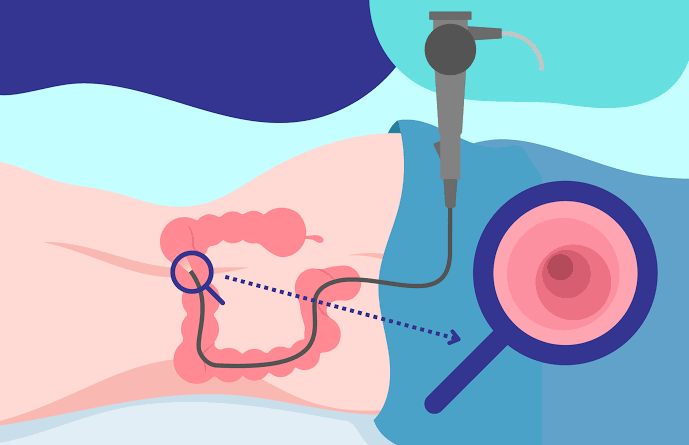
When digestive symptoms linger, a colonoscopy gives your doctor a direct view of your colon and rectum. During the exam, a doctor guides a thin, flexible tube with a small camera through the rectum. Most patients receive sedation, and the procedure is straightforward. Here are four symptoms linked to colon conditions:
Chronic Diarrhea
Diarrhea that persists for weeks is chronic. Short bouts typically result from infections or food changes, while ongoing diarrhea may signal a deeper problem. Major causes include inflammatory bowel disease and microscopic colitis, and certain infections may also persist. Track how many times a day you go.
Stool tests help rule out infections, and blood tests check for anemia or inflammation. A colonoscopy gives a closer view of the bowel lining. During the exam, your doctor may take small tissue samples if the lining looks normal. Keep a log of your bowel habits before your visit.
Rectal Bleeding
Blood from the rectum is a major reason for a colonoscopy referral. The blood may look bright red on toilet paper, or it may appear dark and tarry in the stool. Bright red blood often comes from the lower colon or rectum, while darker blood suggests a source higher up.
Hemorrhoids and small tears cause many cases of bleeding, but these are not the only sources. Doctors look for other causes because polyps, colitis, and colorectal cancer also produce blood. A colonoscopy allows a direct look at the colon lining. Some people notice no other symptoms at all.
If you notice bleeding for more than a few days, contact a healthcare provider. Track the color, amount, and frequency of the blood. Heavy bleeding needs immediate attention, and dizziness or a rapid heartbeat calls for emergency care.
Abdominal Pain
While occasional cramps are normal, persistent belly pain requires a medical evaluation. Pain may stay in one spot, or it may move across your abdomen. Sudden, severe pain needs immediate care in an emergency room. Doctors pay close attention to ongoing pain paired with these symptoms:
- Unexplained weight loss
- Rising fever or chills
- Bloating that lasts for weeks
- Acute pain that wakes you at night
- Constant changes in bowel habits
Unusual Stools
Changes in stool shape, color, or texture may reveal problems in the colon. Narrow, pencil-thin stools may point to a blockage if they continue for several weeks. Black stools may signal bleeding, and mucus in the stool may suggest inflammation. Occasional changes after a large meal are common.
Some foods and iron supplements darken stool, so share your diet and medications with your doctor. Bring written notes on any stool changes to your appointment. Your doctor will likely ask about these details when you describe your symptoms:
- When the change started
- How often it happens
- What the color, shape, and consistency are
- If there is any blood or mucus
Schedule a Colonoscopy Consultation
If you notice any of these symptoms, talk with a healthcare provider about your next steps. Some patients need a colonoscopy right away, but others may start with on-site lab tests. When you call or book online, have your symptom log and medication list ready. A gastroenterology clinic offers regular evaluation appointments.
- What Does Sports Medicine Entail?
- Using EMSella for Pelvic Health
- Navigating Post-treatment Care After Halo Laser Resurfacing
- Physical Therapy Rehabilitation Techniques
- The Transformative Power of Mental Therapy in Daily Life
