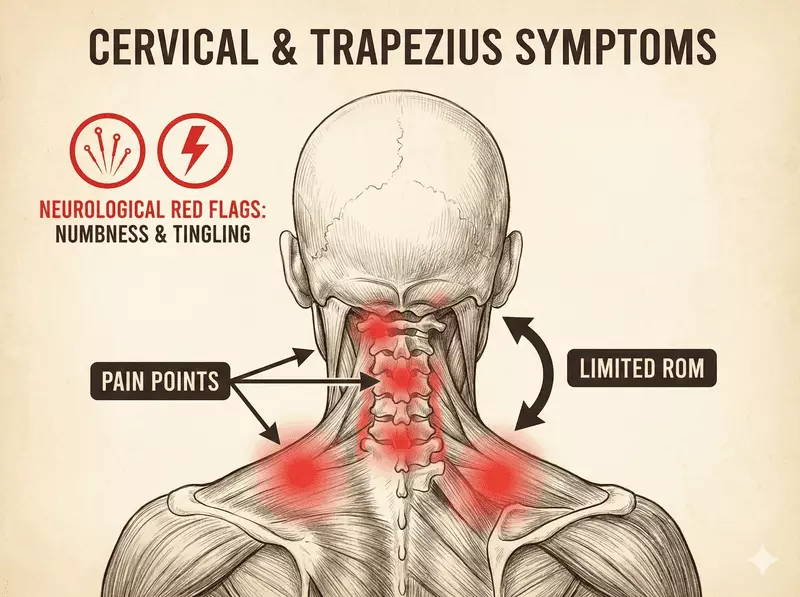
Your neck supports the weight of your head, about 10 pounds, and allows hundreds of movements every day. Neck pain is a common complaint among adults, and its causes are often tied to the structure of the cervical spine. Here are several causes of this discomfort in daily life and how to treat them:
Understanding the Cervical Spine
The cervical spine consists of seven small bones called vertebrae, with soft, cushion-like discs positioned between most of them. Facet joints connect the vertebrae at the back and guide movement, while a central canal houses the spinal cord. Nerves branch outward through small openings on each side of the spine. When any of these structures shifts in shape or position, nearby tissue may be affected. The spine is a tightly organized system, and even gradual changes in one area sometimes place added demand on the surrounding parts. Understanding this foundation can make it easier to recognize why certain daily habits put strain on the neck.
Recognizing Structural Conditions
Several structural conditions are closely associated with neck pain, including herniated discs. A herniated disc occurs when the soft inner material of a disc pushes through a weak spot in its outer layer, which may press on a nearby nerve. Facet joint arthritis develops as the cartilage lining these small joints wears down over time, a process that tends to accelerate with repetitive motion. Spinal stenosis refers to a narrowing of the spaces within the spine. Bone spurs, thickened ligaments, or bulging discs all contribute to this reduction in space, and it is generally associated with age-related changes.
Degenerative disc disease describes a natural aging process rather than a conventional illness. Discs gradually lose water content and height, reducing their ability to absorb shock. As they thin, the vertebrae move closer together, and this may place an increased load on the facet joints. Spondylolisthesis, sometimes called a slipped vertebra, happens when one vertebra slides forward or backward over the one below it. In the cervical spine, this is typically linked to joint and disc wear that reduces structural stability.
Reviewing Treatments and Habits
Daily routines affect how much strain the cervical spine absorbs, and posture during screen use and sleep may contribute. Contemplate the following habits to help avoid placing repeated stress on the same structures:
- Screen height: Position monitors at roughly eye level to reduce forward head tilt.
- Phone use: Raise your phone closer to eye level instead of looking down for extended periods.
- Sleep setup: Use a pillow that keeps your head aligned with your spine.
- Movement breaks: Set a reminder to shift positions more frequently.
- Carrying loads: Use a two-strap backpack or alternate shoulders regularly.
For more persistent pain, interventional treatments like epidural steroid injections and nerve blocks can provide targeted relief. One helps reduce inflammation, and the other temporarily interrupts pain signals. Radiofrequency ablation (RFA) uses heat to disrupt nerve function and provide longer-lasting relief for chronic pain. For severe cases, spinal cord stimulation offers an advanced solution. It uses an implanted device to send mild electrical signals that mask pain perception. Each option is tailored to specific conditions, offering practical paths to ease neck discomfort.
Find Treatment for Neck Pain
Neck pain can result from structural changes in the cervical spine, compounded by the demands of everyday activity. Herniated discs, facet joint arthritis, spinal stenosis, and spondylolisthesis each affect the spine differently, but all relate to how the neck handles load and movement over time. Reviewing daily habits, from screen setup to sleep position, gives you practical opportunities to reduce unnecessary strain. If neck pain persists or begins affecting your daily routine, schedule an appointment with a qualified healthcare provider.
- What Does Sports Medicine Entail?
- Using EMSella for Pelvic Health
- Navigating Post-treatment Care After Halo Laser Resurfacing
- Physical Therapy Rehabilitation Techniques
- The Transformative Power of Mental Therapy in Daily Life
