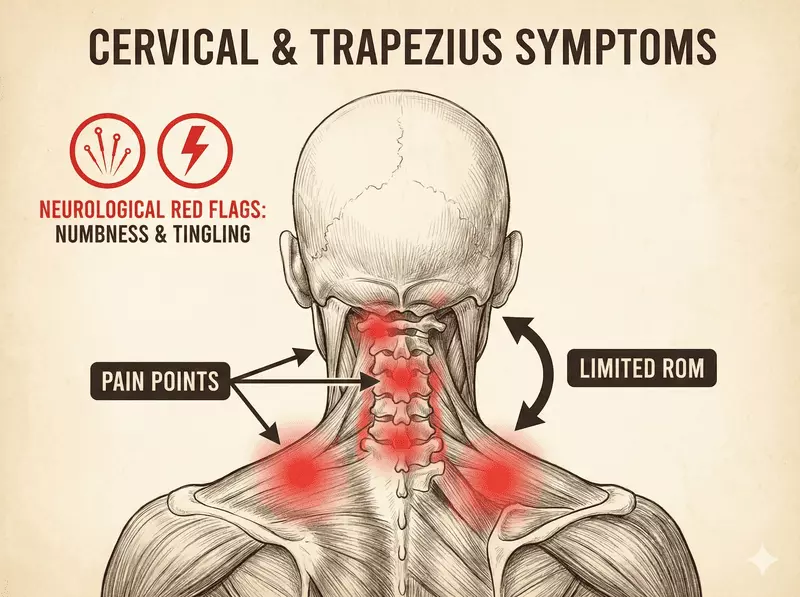
A neurologist diagnoses and treats disorders of the brain, spinal cord, and nerves. These doctors complete medical school and a neurology residency, and many also train in pain or headache medicine. Many people see a primary care provider first, though some pain patterns point to the nervous system. This is when you should consult with a neurologist for chronic pain issues:
Nerve-related Pain
When damaged or irritated nerves send faulty signals, pain feels different from a muscle ache. You may feel burning, stabbing, or electric-shock sensations. The pain may travel down an arm or leg, or it may stay in your hands and feet. Watch for these related signs:
- Numbness or tingling that lasts more than a few weeks
- Weakness in a hand, foot, or limb
- Pain that worsens at night
- Skin that hurts with light touch
Diabetes, shingles, and spinal disc problems can cause this type of pain. If symptoms persist, your doctor may refer you for nerve testing. A neurologist may order an EMG or nerve conduction study, and these tests measure nerve function. Blood tests check for vitamin deficiencies and thyroid problems.
Lost Coordination
Coordination depends on the brain, spinal cord, and nerves, and a problem in any of them affects movement. You may notice clumsiness before you notice any pain. Some people drop objects or trip more often. Others notice an unsteady walk or shaky handwriting.
Chronic pain sometimes appears alongside balance or gait changes. Back pain may come with leg weakness, or neck pain may come with hand clumsiness. In some cases, these pairings matter because they may point to pressure on the spinal cord or nerve roots.
While stiffness and fatigue affect balance, they rarely cause a steady decline over several weeks. Write down each fall or stumble, and your neurologist will review the pattern with you. Sudden loss of coordination requires a call to 911.
Severe Headaches
Most headaches respond to rest, fluids, or over-the-counter medicine. When headaches occur often, doctors call them chronic. Migraine is one major cause, and cluster headaches are another. Talk with a neurologist if your headaches match any of these patterns:
- Pain that wakes you from sleep
- Headache patterns that are new
- Headaches with vision changes, numbness, or confusion
- Pain that worsens with coughing or straining
- Pain reliever use that gets excessive
A neurologist reviews your history, and an MRI or CT scan may follow. Treatment plans often include preventive medicine and trigger tracking. Overusing pain relievers may cause rebound headaches, which makes the cycle harder to break.
Dizzy Symptoms
Dizziness covers several sensations, so doctors ask you to describe it carefully. For some people, vertigo feels as though the room spins around you. Lightheadedness feels more like faintness.
Inner ear problems cause many dizzy spells. Vestibular migraine also causes dizziness, and it typically occurs with or without head pain. If dizziness comes with neck pain, headaches, or numbness, a neurologist may look for a nervous system cause. Sudden dizziness with slurred speech or facial drooping requires emergency care.
Visit a Neurologist Today
If you notice any of these signs, ask your primary care provider about a referral. Some insurance plans require a referral, and others let you book directly. Bring a list of your symptoms, medicines, and past test results. A neurologist then reviews the details and recommends next steps.
- How Medical Weight Loss Supports Better Health
- Understanding the Role of a Gastroenterologist in Digestive Health
- The Role of Family Involvement in Addiction Treatment Centers
- How Primary Care Can Help Manage Chronic Conditions
- What is Reflux Disease?
