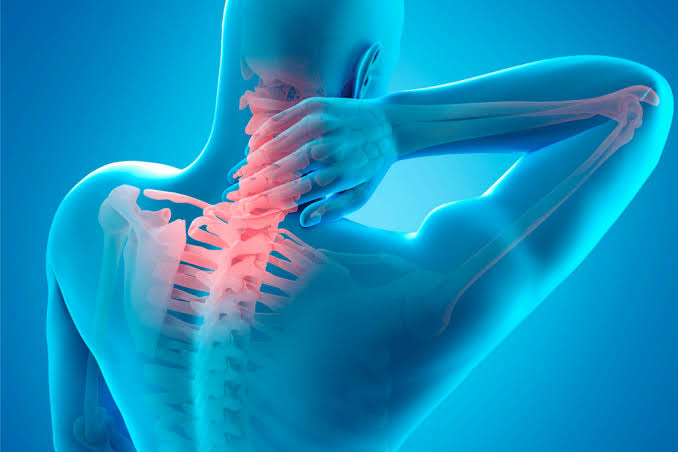
When small channels between vertebrae become narrower than normal, the condition is called spinal stenosis. Spinal stenosis is often linked to gradual, age-related changes in the spine and is frequently identified in older adults. Some people with spinal narrowing notice no symptoms, and others experience pain or numbness that affects their ability to stand or walk.
What Is Spinal Stenosis?
Spinal stenosis describes a reduction in the space available for the spinal cord or the nerves branching from it. As this space narrows, surrounding structures may press on the nerves, and this interferes with the signals they carry. The condition commonly develops in the lower back, where it is called lumbar stenosis, or in the neck, where it is called cervical stenosis.
Several factors may contribute to this narrowing:
- Osteoarthritis and gradual wear of the spinal joints
- Bone spurs that grow into the spinal canal
- Discs that bulge or herniate
- Ligaments that thicken over time
- Spine injuries
Symptoms depend on where the narrowing occurs, and how much pressure it places on the nerves also influences the severity. Lumbar stenosis may cause pain, tingling, numbness, or weakness in the lower back, buttocks, or legs, often during extended standing or walking. These sensations can ease when a person sits or bends forward. Cervical stenosis may lead to neck pain or numbness or weakness in the arms and hands.
How Is It Managed?
Daily habits can influence how a person lives with spinal stenosis. Individuals may work with a healthcare provider to build a routine, aiming to support strength, mobility, and comfort. Regular low-impact activity is a common starting point, and maintaining a healthy weight can reduce the load the spine carries each day. Alternating periods of standing or walking with short rest breaks may make daily tasks more manageable. For people who feel unsteady, a cane or walker can offer added support.
How Is It Treated?
Treatment depends on symptom severity, the location of the narrowing, and a person’s overall health. Providers usually begin with nonsurgical approaches. Medications may be recommended to help manage pain and inflammation. Physical therapy is another common option, in which a therapist designs a program to improve strength, flexibility, balance, and posture. Some patients receive epidural steroid injections, and these can deliver corticosteroids near the affected nerves to help reduce inflammation.
When conservative care does not provide sufficient relief, or when symptoms significantly limit daily activities, a spine specialist may discuss surgery. A foraminotomy widens the openings where nerve roots exit the spinal canal. Spinal fusion joins two or more vertebrae to add stability, and it is sometimes performed alongside other procedures.
Seek Professional Spine Care
Spinal stenosis symptoms shift gradually; an approach that suits one stage of the condition can need adjustment as it progresses. A spine specialist may assess the source of back, neck, or limb symptoms and recommend a care plan that reflects individual needs. Because care can combine lifestyle adjustments with medical treatment, regular follow-up visits allow the plan to be refined over time. If you experience ongoing pain, numbness, or weakness in your back, neck, arms, or legs, contact a spine specialist to learn more about your options.
- How Medical Weight Loss Supports Better Health
- Understanding the Role of a Gastroenterologist in Digestive Health
- The Role of Family Involvement in Addiction Treatment Centers
- How Primary Care Can Help Manage Chronic Conditions
- What is Reflux Disease?
