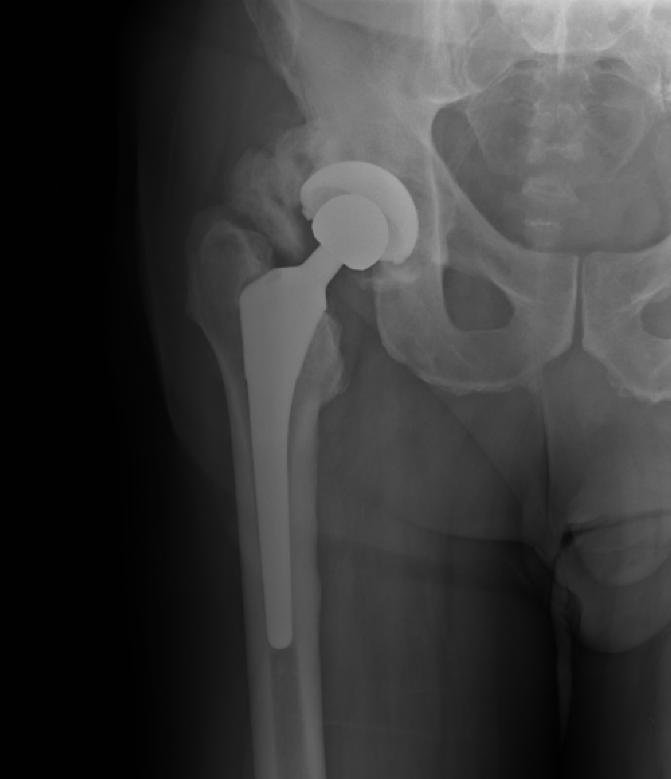
The hip is a ball-and-socket joint, and the rounded top of the thigh bone, or femur, fits into a cup-shaped socket in the pelvis. Smooth cartilage covers both surfaces and allows the joint to move with little friction, while surrounding muscles, ligaments, and a joint capsule provide support. When this cartilage or the bone beneath it becomes damaged, standing, walking, and climbing stairs may become difficult. Total hip replacement is a commonly performed orthopedic procedure.
What Is a Hip Replacement?
A total hip replacement, also called total hip arthroplasty, is a surgical procedure in which an orthopedic surgeon removes damaged portions of the hip joint and replaces them with artificial components. These components form a prosthesis designed to replicate the structure and motion of a natural hip. Surgeons can reach the hip through different approaches. The posterior approach uses an incision along the back of the hip, and it is a widely used technique. The direct anterior approach uses an incision on the front of the hip and works between muscles rather than detaching them. A surgeon may recommend one approach over the other based on factors such as prior hip surgery, bone density, and body type.
What Is It Used For?
Arthritis is a common reason for hip replacement. Osteonecrosis may also lead to hip replacement; this condition occurs when blood flow to the bone is reduced. Without enough blood supply, the bone tissue can weaken and collapse.
Surgery is not usually the first course of action, and physicians generally recommend non-surgical options first. These may include physical therapy, anti-inflammatory medications, joint injections, and temporary use of a cane. A surgeon can discuss hip replacement when pain and stiffness continue to limit daily activities, despite these treatments.
What Should You Expect?
Patients may return home the same day of the surgery. Some require a longer hospital stay, but this depends on their health and how they respond to the procedure. Before surgery, patients can arrange their homes to reduce fall risks and organize help with daily tasks during early recovery. Recovery generally involves several elements, including:
- Pain Management: The care team provides a plan that may include prescribed medications and gradual activity.
- Wound Care: Patients can receive instructions for keeping the incision clean.
- Exercise Guidance: Physical therapy helps restore strength, flexibility, and balance.
- Mobility Devices: A walker may provide support during the early weeks of walking.
Depending on the surgical approach, a surgeon can advise temporary movement precautions. Recovery timelines differ from person to person. Age, overall health before surgery, body weight, and participation in rehabilitation can all influence progress. Follow-up visits allow the surgeon to monitor healing, and they may assess how the new joint is functioning.
Consult an Orthopedic Surgeon
An orthopedic surgeon can evaluate hip symptoms through a physical examination, a review of medical history, and imaging scans. This evaluation helps identify the extent of joint damage, and this may help them determine which treatment options are appropriate. Individuals with persistent hip pain or stiffness can contact an orthopedic surgeon, allowing them to learn more about available treatment options.
- Understanding the Role of Early Intervention in Children’s Orthodontics
- Utilizing Ketamine Infusions To Treat Mood-related Conditions
- How Eye Exams Can Detect More Than Just Vision Problems
- How Balloon Sinuplasty Can Improve Your Quality of Life
- Identifying Anxiety Triggers and Managing Stressful Situations
