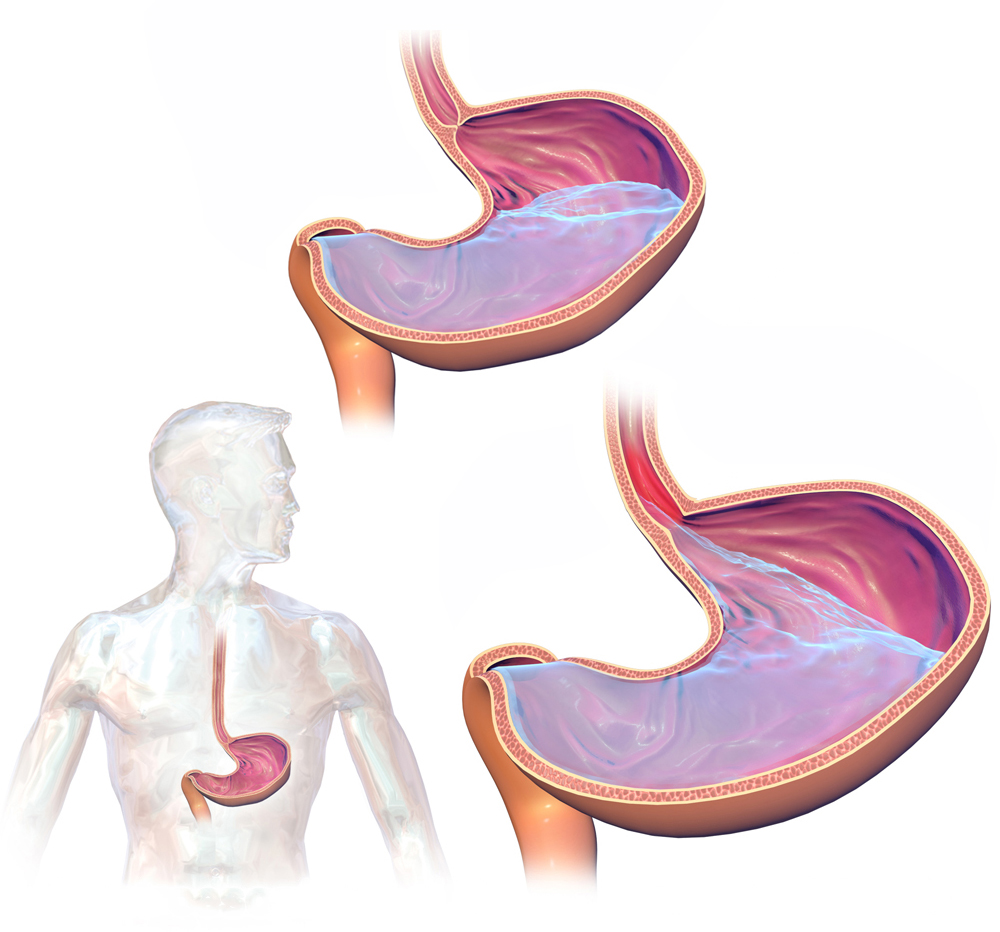
Reflux disease is a digestive condition involving the esophagus and stomach. The esophagus carries food from your mouth to your stomach, and a ring of muscle at its lower end controls the passage between the two. When stomach contents flow back up into the esophagus, health professionals refer to this event as reflux. If this occurs repeatedly over time, providers may use the term gastroesophageal reflux disease, or GERD. Here’s more information about reflux disease:
Understanding the Digestive Process
Digestion begins the moment you swallow. Muscles in the esophagus push food downward, and the lower esophageal sphincter opens to let it into the stomach. The sphincter then closes again to keep stomach contents in place. Reflux occurs when this muscle relaxes at the wrong time or doesn’t close fully, allowing stomach acid to move upward into the esophagus. The stomach has a protective lining, but the esophagus has a different structure, which is why reflux draws attention from providers.
Several factors are connected to reflux disease, so your provider may ask about meal size, meal timing, and body position after eating. These factors vary from person to person, yet they give specialists a helpful starting point for discussion. Your provider may also ask about lifestyle habits and daily routines. Because these details add context to your history, they guide the direction of your evaluation. Arrive at your appointment prepared to describe your routine clearly.
Recognizing Reported Symptoms
People with reflux may experience a range of symptoms, including the following:
- A burning sensation in the chest, sometimes called heartburn
- A sour or bitter taste in the mouth
- Regurgitation of food or liquid
- Difficulty swallowing
- A persistent cough or hoarse voice
Timing provides useful context for each symptom. Some people notice symptoms after large meals, and others experience them at night when lying down. Tracking when each symptom appears and what you ate beforehand gives your provider precise information. Some reflux symptoms resemble those of other conditions, including chest discomfort, which can indicate coronary artery disease. If you experience chest pain, contact a provider promptly to determine the cause.
Providers use several tools to evaluate reflux. They may begin with a conversation about your history, and they sometimes recommend further testing based on what they learn. When a provider orders a test such as an upper endoscopy, they explain its purpose and the preparation steps beforehand.
Preparing for Your Appointment
Preparation can make visits with an acid reflux specialist more productive, so bring a complete list of your medications and supplements. Include over-the-counter products, such as antacids and pain relievers, and note the dosage of each one. This allows your provider to evaluate your current routine and determine whether any medications could be contributing to your symptoms. A symptom log also serves as a fundamental reference tool. Record the date, time, and details of each episode, whether it occurred after eating or while lying down. Tracking patterns can help your specialist identify potential triggers and determine whether further evaluation or treatment adjustments are needed.
Find Treatment for Reflux Disease
Reflux disease involves the backward flow of stomach contents into the esophagus. It can cause pain and shortness of breath, and treatments include lifestyle changes, medications, and surgery. One procedure involves implanting tiny magnets that help keep the esophageal sphincter closed. Because every health history differs, a qualified provider offers the most reliable guidance. Contact a specialist today to schedule an evaluation.
- How Medical Weight Loss Supports Better Health
- Understanding the Role of a Gastroenterologist in Digestive Health
- The Role of Family Involvement in Addiction Treatment Centers
- How Primary Care Can Help Manage Chronic Conditions
- What is Reflux Disease?
