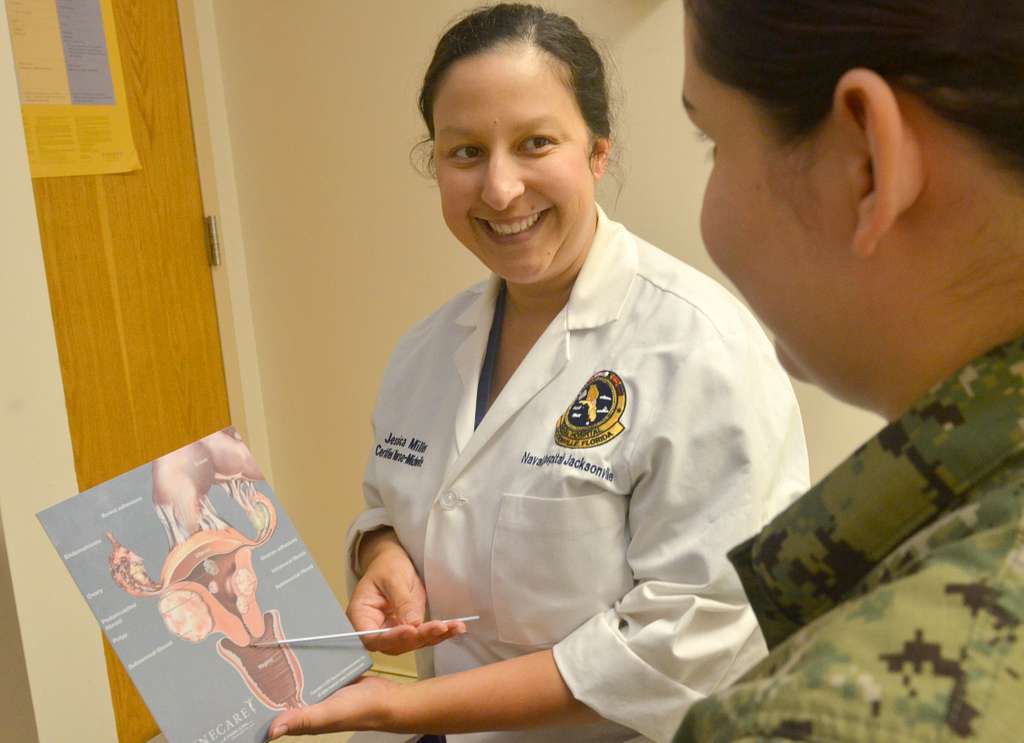
When patients attend regular visits with an OBGYN (obstetrician-gynecologist), they support their reproductive and overall health. These specialists monitor changes over time, and they guide patients through decisions about their bodies at every life stage. Understanding what an OBGYN does helps patients get more value from each appointment. Here is more information on preventive care:
What Is an OBGYN?
An OBGYN is a physician who specializes in obstetrics and gynecology. Obstetrics covers pregnancy, childbirth, and postpartum care. Gynecology focuses on the reproductive system, which includes the uterus, ovaries, and cervix. These physicians see patients across many stages of life. Because of this continuity, they may build long-term partnerships; these partnerships enable better tracking of changes and patterns in a patient’s health.
What Is Preventive Care?
Preventive care refers to medical services aimed at detecting health issues before symptoms appear, and this approach prioritizes early identification over reactive treatment. Physicians focus on screening and monitoring. When problems are caught early, treatment options may be more effective and less invasive.
Within gynecology, preventive care encompasses annual wellness exams, cancer screenings, and counseling on contraception and sexually transmitted diseases. These visits allow physicians to identify abnormalities early. Because reproductive health changes across a patient’s lifetime, consistent preventive visits provide a reliable baseline for detecting shifts in health status. Preventive care extends beyond physical exams; patients can also receive education on topics such as menstrual health, menopause, and family planning. This information supports informed decision-making.
What Does It Involve?
A preventive care visit usually begins with a review of medical history, including family history, current medications, and any new symptoms. This background information helps the physician identify risk factors, and it may warrant additional screening. Because each patient presents differently, the physician tailors the evaluation to address individual concerns.
When a patient attends an OBGYN appointment, the physical exam may include a pelvic exam, breast exam, and, depending on age and medical history, a Pap smear. These screenings detect early signs of cervical cancer, infections, or other abnormalities. Blood pressure and weight are also recorded; these measures can reveal underlying conditions affecting overall health.
Patients may discuss contraception options, menstrual irregularities, or symptoms that affect daily life. OBGYNs use this time to answer questions and adjust treatment plans based on new information, which aligns care with the patient’s current health status. Appointment frequency varies, and while patients benefit from scheduling annual visits, some situations call for more frequent monitoring.
How Is Professional Guidance Beneficial?
Professional guidance from an OBGYN offers several distinct benefits that support long-term reproductive health management.
- Accurate tracking over time: A physician familiar with a patient’s history can identify shifts in symptoms, cycle patterns, or test results that may signal a developing condition.
- Informed decision-making: Patients facing choices about contraception, pregnancy planning, or conditions such as endometriosis benefit from specialist guidance.
- Streamlined communication: An established partnership with an OBGYN may reduce delays in care.
Consistent engagement with an OBGYN makes sure that health changes are monitored systematically and that patients have reliable access to clinical guidance as their needs evolve.
Schedule an Appointment Now
OBGYNs play a central role in preventive care; they combine routine screenings, physical exams, and patient education into a structured approach to reproductive health. Understanding this specialty, along with what preventive visits typically involve, helps patients approach each appointment with clearer expectations. If you have not scheduled a visit recently, contact an OBGYN to arrange a preventive care appointment.
- How Medical Weight Loss Supports Better Health
- Understanding the Role of a Gastroenterologist in Digestive Health
- The Role of Family Involvement in Addiction Treatment Centers
- How Primary Care Can Help Manage Chronic Conditions
- What is Reflux Disease?
