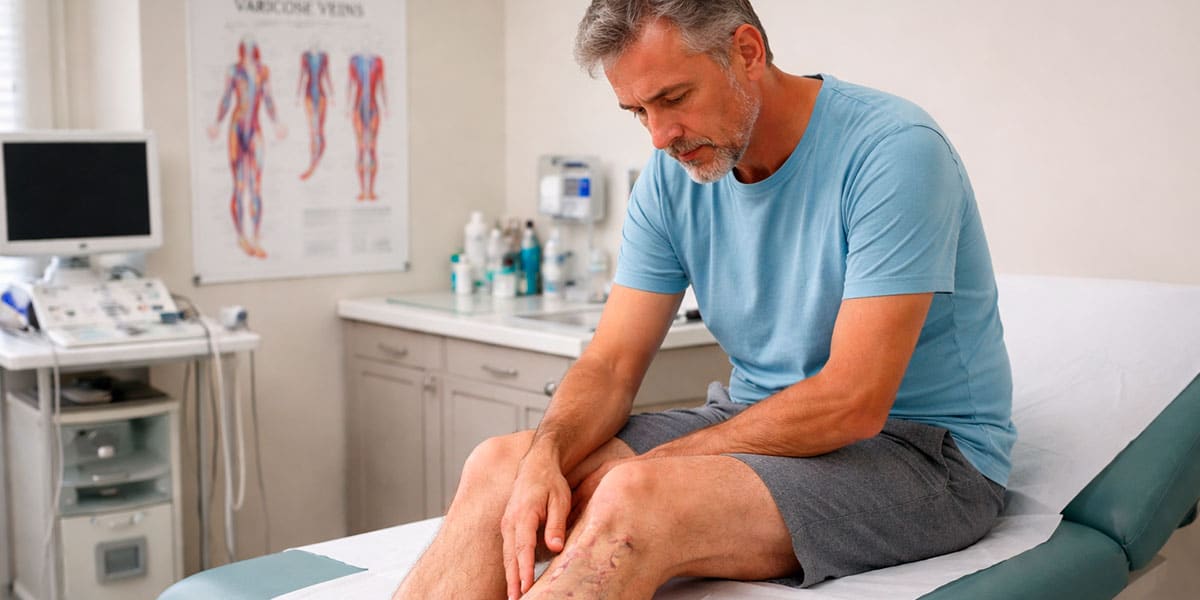
Varicose veins are swollen, twisted veins just beneath the skin’s surface, and they can lead to circulation issues. They appear on the legs and feet, and they may look blue or dark purple. While many people view them as a cosmetic concern, varicose veins often point to a problem with circulation. Here is more information on the link between the two:
Chronic Venous Insufficiency
Your leg veins carry blood back to your heart, and they work against gravity to do it. When these veins stop working well, blood pools in the lower legs. Doctors call this condition chronic venous insufficiency, or CVI. Calf muscles help by squeezing the veins with each step.
Since CVI develops slowly, many people miss the early signs. Leg heaviness, aching, and mild swelling often come first. These symptoms tend to worsen after long periods of standing, and they often ease with rest.
Varicose veins are one of the most visible signs of CVI. Not everyone with CVI has varicose veins, but the two conditions typically appear together. If you notice bulging veins along with swelling, a vein specialist can check your circulation.
Defective Vein Valves
Inside your veins, tiny one-way valves open as blood moves toward your heart. These valves then close, and they keep blood from flowing backward. Weak or damaged valves let blood slip back down the leg. Doctors call this backward flow venous reflux.
Pressure builds inside the affected vein over time. As the vein walls stretch, they bulge and twist near the skin’s surface. Age, pregnancy, and genetics raise the risk of valve damage, and so does excess body weight. Jobs with long hours of standing or sitting also play a role.
Restricted Blood Flow
Healthy veins move blood upward at a steady pace, but varicose veins slow that flow. Sluggish circulation affects the tissue around the damaged vein. When blood moves too slowly, it may raise the risk of clots. Watch for these signs of poor circulation in your legs:
- Swelling in the ankles or feet by the end of the day
- Cramping or restless legs at night
- Having a heavy, tired feeling after standing
- Itching or burning skin near the affected veins
If your leg turns red, warm, and painful, contact a doctor right away. These symptoms may signal a blood clot in a deeper vein. Superficial clots are usually less serious, but deep vein clots need prompt care. Doctors use ultrasound to find these clots.
Discolored Skin and Ulcers
Long-term pressure in the veins affects the skin. When blood pools for months or years, fluid and iron leak into nearby tissue. The skin may turn brown or reddish, and it may feel thick or hard. Check your lower legs for these changes:
- Brown or rust-colored patches near the ankles
- Dry, scaly, or itchy skin
- Shiny, tight skin over the shin
- Open sores that heal slowly
Address Varicose Veins Today
Varicose veins reflect a deeper problem with how blood moves through your legs. Walking, raising your legs, and wearing compression stockings may ease symptoms, but they do not repair damaged valves. A vein specialist can assess your circulation with a painless ultrasound. If you notice swelling, skin changes, or new leg pain, schedule an evaluation.
- How Medical Weight Loss Supports Better Health
- Understanding the Role of a Gastroenterologist in Digestive Health
- The Role of Family Involvement in Addiction Treatment Centers
- How Primary Care Can Help Manage Chronic Conditions
- What is Reflux Disease?
