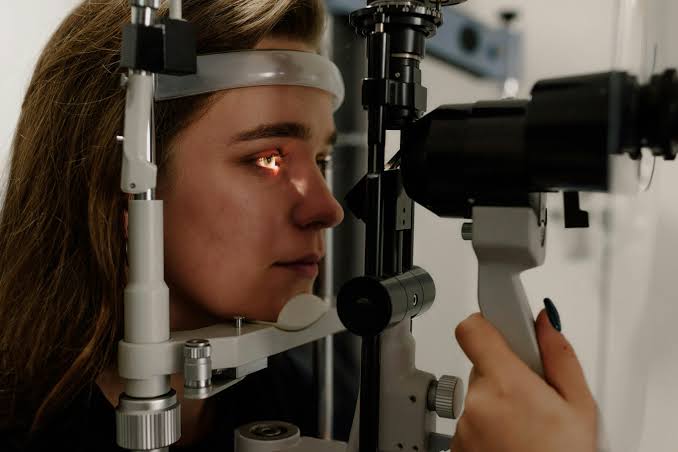
A cataract clouds the natural lens inside your eye, which makes colors look faded and makes reading take more effort. Cataract surgery replaces the cloudy lens with a clear artificial one when symptoms disrupt daily tasks. An ophthalmologist diagnoses cataracts, performs the surgery, and manages your recovery. Here are several areas of ophthalmologist care:
Intraocular Lens Quality
The artificial lens stays in your eye for life, so the choice matters. Ophthalmologists offer several types of intraocular lenses, or IOLs. Before cataract surgery, your surgeon measures your eye so they can match the lens power to your vision goals. Your ophthalmologist reviews these trade-offs with you:
- Sharper vision: Clearer focus for daily tasks like reading and driving
- Less reliance on glasses: The right lens may reduce how often you need them
- Better night vision: Some lenses can reduce glare and halos
- Long-lasting results: Your lens stays in your eye for life, so the choice pays off for years
Specialized Techniques
Ophthalmologists are medical doctors, and they complete years of surgical training focused on the eye. Many perform cataract surgery with phacoemulsification, which uses ultrasound to break up the cloudy lens. The surgeon then removes the fragments through a tiny incision. Many ophthalmologists perform hundreds of these procedures each year.
Some surgeons use a femtosecond laser when they create incisions or soften the lens. This laser follows a computer-guided map of your eye. Laser-assisted surgery may suit certain eyes, but standard phacoemulsification is one approach. Your surgeon explains which option fits your eye anatomy.
Ophthalmologists also manage complications during surgery. If the lens capsule tears, the surgeon adjusts the plan right away. Some patients have glaucoma or diabetes, and these conditions affect surgical planning. This training helps your surgeon respond to unexpected events.
Personal Safety
When cataracts blur your vision, everyday tasks may carry more risk. Steps may look flat, and curbs may blend into the sidewalk. Falls are a leading cause of injury in older adults. Regular eye exams help you track vision changes early.
Ophthalmologists screen for other eye conditions during cataract exams. They look for glaucoma, macular degeneration, and retinal problems. Since these conditions often develop slowly, you may not notice early symptoms. Your surgeon reviews your medications, and they plan around blood thinners or eye drops as needed.
Nighttime Driving Ability
Cataracts may affect night vision first. Oncoming headlights may create glare or halos because the cloudy lens scatters light. Road signs may look dim, and lane markings may fade from view. Until you discuss treatment, these steps may reduce nighttime risks:
- Keep your windshield and headlights clean
- Lower your dashboard brightness
- Drive on familiar, well-lit roads
- Limit driving in rain or fog after dark
- Ask whether your vision meets your state’s driving standards
After surgery, your eye needs time to adapt to the new lens. Some patients have halos for several weeks, and others adjust within days. Your surgeon tells you when you may resume night driving. Follow that guidance before you get behind the wheel after dark.
Explore Cataract Surgery Techniques
Cataract surgery involves many choices, and an ophthalmologist guides you through each one. Write down your questions before your consultation. Ask about recovery time if you have work or travel plans. You may also bring a family member, and they can help you remember the details.
- Understanding the Role of Early Intervention in Children’s Orthodontics
- Utilizing Ketamine Infusions To Treat Mood-related Conditions
- How Eye Exams Can Detect More Than Just Vision Problems
- How Balloon Sinuplasty Can Improve Your Quality of Life
- Identifying Anxiety Triggers and Managing Stressful Situations
