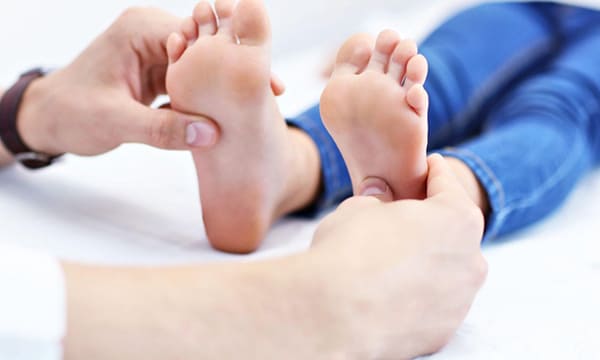
Pediatric orthopedic doctors treat bone, joint, and muscle conditions in children and teens, and since a child’s skeleton is still growing, these specialists use methods that differ from adult care. They manage problems such as hip dysplasia, clubfoot, and scoliosis, and they also treat fractures and sports injuries. This is how early diagnosis affects treatment, growth, and recovery:
Avoided Surgery
When a pediatric orthopedic doctor finds a problem early, they typically have more nonsurgical options. Growing bones respond well to gentle correction. A brace may guide bone growth, or a cast may reshape a joint over several weeks. Many of these methods work ideally in infancy or early childhood. Nonsurgical treatments include:
- Harnesses for infant hip dysplasia
- Casts for clubfoot
- Braces for moderate scoliosis curves
- Therapy for persistent toe walking
Not every child avoids surgery, and some conditions need an operation regardless of timing. If surgery becomes necessary, an earlier diagnosis may lead to a smaller procedure. Your doctor will explain the options for your child’s specific case.
Supported Development
Children typically reach physical milestones in a predictable order. Sitting, crawling, and walking depend on healthy bones and joints, and problems may delay these steps. When a condition goes untreated, a child may change how they move to avoid discomfort.
While these movement changes begin as minor, they may strain other joints over time. A limp may affect the knees, or uneven leg length may tilt the pelvis and spine. Early care targets the root cause of the problem.
Some conditions appear during growth spurts, and regular checkups help catch them. Scoliosis typically shows up early. Since the spine is still growing, a brace may slow the curve’s progression. Check for uneven shoulders or a tilted waist at home.
Accelerated Recovery
Children may heal faster than adults. Since children have a thick, active bone lining called the periosteum, fractures often mend quickly. Prompt treatment uses this healing ability, and it lowers the risk of a bone setting in the wrong position.
If a growth plate injury goes unnoticed, the bone may grow unevenly. Growth plates sit near the ends of long bones. An X-ray or MRI may reveal the injury, and the doctor may recommend a cast or close monitoring. Follow-up visits track growth for a year or more after some injuries.
Improved Outcomes
Early diagnosis gives doctors more time, and time typically allows for simpler care. Early hip dysplasia treatment lowers rates of hip arthritis in adulthood. When treatment starts sooner, children may face fewer complications later in life. Signs that require an evaluation:
- Limps or a refusal to bear weight
- Leg lengths, skin folds, or shoulder heights that are uneven
- Toe walking after infancy
- Pain that wakes your child at night
- Feet that turn sharply in or out
Visit a Pediatric Orthopedic Doctor
A pediatric orthopedic doctor evaluates your child’s bones, joints, and muscles. Bring notes on your concerns, and share when you first noticed them. If your pediatrician suggests a referral, schedule the visit soon. While you wait for the appointment, track symptoms in a simple log, note when pain starts, and record any changes in walking or posture.
- Understanding the Role of Early Intervention in Children’s Orthodontics
- Utilizing Ketamine Infusions To Treat Mood-related Conditions
- How Eye Exams Can Detect More Than Just Vision Problems
- How Balloon Sinuplasty Can Improve Your Quality of Life
- Identifying Anxiety Triggers and Managing Stressful Situations
