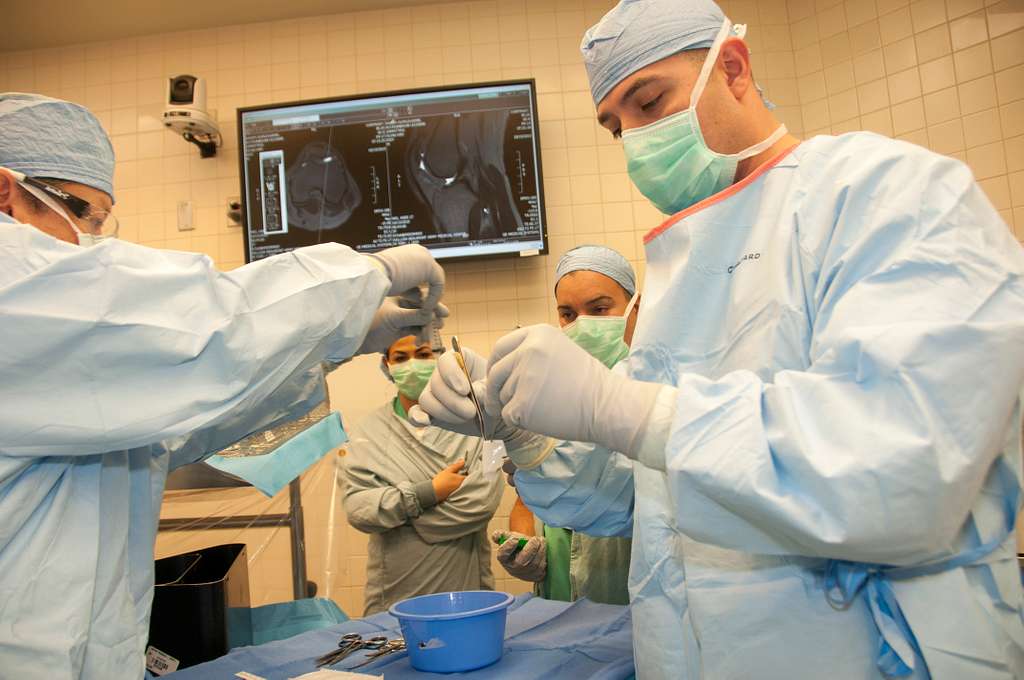
Orthopedic surgeons treat conditions of the bones, joints, muscles, ligaments, and tendons. Some patients need surgery, but many start with bracing, injections, or physical therapy. Sincee the field covers so many body parts, most surgeons focus on one or two areas. Here are some practical steps for comparing your options:
Look for Innovative Technologies
Surgical tools have changed over the years, and many practices now use advanced imaging and implants. Ask each orthopedic surgeon about the specific technology in their operating room. Here are a few tools that you may hear about during a consultation:
- Three-dimensional imaging: CT-based models map your anatomy and guide implant sizing and placement before surgery.
- Vertebral body tethering: This option treats some cases of scoliosis in growing children without spinal fusion.
- Navigation software: Real-time tracking shows instrument position during spine and joint procedures.
Not every patient qualifies for these methods, because age, bone health, and diagnosis all play a role. Tethering suits only certain spinal curves, and 3D planning may add cost or imaging time. Ask about the surgeon’s experience with each tool and the reasons for recommending it.
Identify Orthopedic Needs
Before you search for a surgeon, write down your symptoms and how long they have lasted. Note the exact location of your pain. Pain in the knee points toward a joint specialist, and numbness in the hand may suggest a nerve issue.
Your primary care doctor may offer a referral, or your insurance plan may list approved specialists. If you have imaging results from urgent care or an emergency visit, bring copies to your first appointment. These records save time and reduce repeat tests.
Orthopedics includes subspecialties such as spine, sports medicine, hand, foot and ankle, and joint replacement. A surgeon who focuses on your problem area sees similar cases every week. Check the surgeon’s board certification and confirm any fellowship training in your area of need.
Include Regenerative Techniques
Regenerative medicine uses your body’s own healing materials to repair tissue. Some surgeons offer these treatments when a patient wants to delay or avoid surgery. Use of these methods continues to grow, but results vary by condition and patient. Ask about:
- Platelet-rich plasma (PRP): Concentrated platelets from your blood, injected into tendons or joints
- Bone marrow concentrate: Cells drawn from your hip bone and placed at the injury site
Insurance plans may not cover these treatments because they view the evidence as limited. Request a written cost estimate before any injection. Ask about the surgeon’s track record with each method, and request any outcome data from the practice.
Check the Surgery Volume
Surgery volume reflects a surgeon’s yearly count of a specific procedure. You might link higher volume with fewer complications, but volume alone does not tell the full story. When you meet a surgeon, ask how often they perform your exact procedure.
Hospitals sometimes publish volume and outcome data online, and some states release public reports. If a surgeon performs your procedure only a few times a year, ask about their referral network. Also ask about infection rates, revision rates, and typical recovery timelines.
Find an Orthopedic Surgeon
Once you narrow your list, schedule consultations with two or three surgeons. Bring your records, symptom notes, and written questions to each visit. Compare their answers side by side, and take time with your decision. A second opinion is a normal part of this process.
- Understanding the Role of Early Intervention in Children’s Orthodontics
- Utilizing Ketamine Infusions To Treat Mood-related Conditions
- How Eye Exams Can Detect More Than Just Vision Problems
- How Balloon Sinuplasty Can Improve Your Quality of Life
- Identifying Anxiety Triggers and Managing Stressful Situations
