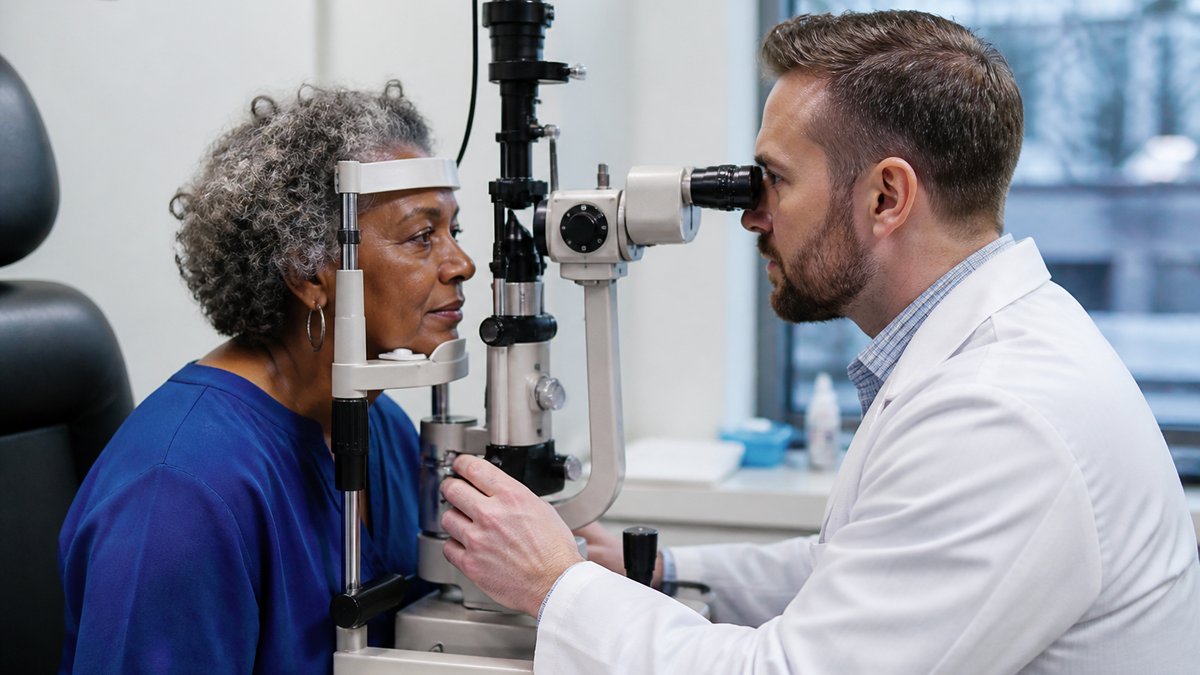
In a comprehensive eye exam, your eye doctor tests your vision, and then they use drops to widen your pupils. When the pupils open, the doctor gets a clear view of the retina, blood vessels, and optic nerve. These structures show early signs of several health conditions. Here is more information on the other health problems these exams may detect:
Nerve Problems
While glaucoma typically starts without pain, it slowly damages the optic nerve. The doctor measures your eye pressure, and they also check the nerve’s shape and color. Glaucoma first affects side vision. Prescription eye drops may slow further nerve damage.
A swollen optic nerve may point to pressure inside the skull, or it may signal inflammation. Multiple sclerosis sometimes causes optic nerve inflammation, called optic neuritis. If your doctor notices these changes, they may send you to a neurologist for further testing. A neurologist may order an MRI scan of the brain.
Since dilation blurs vision for several hours, plan for someone to drive you home after your eye exam. Bring sunglasses, and arrive a few minutes early for paperwork. Also bring these items:
- Your current glasses or contact lenses
- A list of medications and supplements
- Recent blood sugar or blood pressure readings
- Your insurance card or payment method
Diabetes Links
When blood sugar stays high for long periods, it can weaken the tiny blood vessels in the retina. These vessels may leak fluid or blood. Over time, the damage may blur or block parts of your vision. Doctors call this diabetic retinopathy, and it typically causes no symptoms in early stages.
Some people first learn they have diabetes from an eye exam, and others learn their treatment needs adjusting. If the doctor spots retinal changes, they may refer you to a primary care provider for blood tests. An A1C blood test shows your average blood sugar over about three months.
Most adults with diabetes need a dilated eye exam every one to two years. Your doctor may suggest more frequent visits if retinopathy is already present. Pregnancy may also affect diabetic eye changes, so pregnant women with diabetes need closer monitoring.
Blood Vessel Damage
Retinal blood vessels offer a direct view of your circulation. High blood pressure narrows these vessels, and it can cause small bleeds in the retina. Doctors call this hypertensive retinopathy, which typically appears before a person notices any symptoms. During the exam, your doctor looks for these signs:
- Narrowed or twisted arteries
- Pinched veins where arteries cross over them
- Fluffy white patches from blocked blood flow
- Small bleeds on the retina’s surface
- Small blockages in retinal veins or arteries
When a doctor spots plaque inside the eye, they may order an ultrasound of those arteries. Stroke risk may rise with this condition, so early findings give your care team useful information. Yellow deposits around the eyelids may also point to high cholesterol.
Schedule an Eye Exam
Urgent care centers treat sudden eye problems, but routine exams take place at an optometrist’s or ophthalmologist’s office. If you notice sudden vision loss, flashes, or a dark curtain over your vision, seek immediate care. Your eye doctor sets an exam schedule based on your age and health.
- Understanding the Role of Early Intervention in Children’s Orthodontics
- Utilizing Ketamine Infusions To Treat Mood-related Conditions
- How Eye Exams Can Detect More Than Just Vision Problems
- How Balloon Sinuplasty Can Improve Your Quality of Life
- Identifying Anxiety Triggers and Managing Stressful Situations
