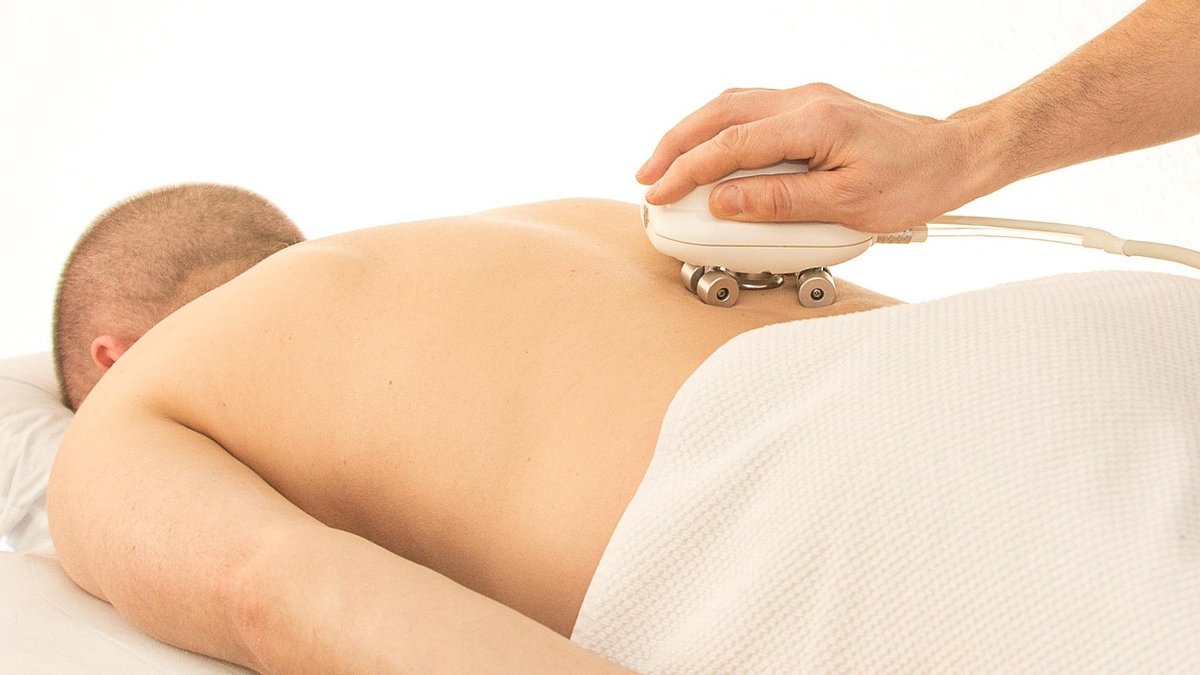
Chronic pain affects daily routines, sleep, and work; some people respond well to medication, but others need targeted procedures or therapy. When pain persists for months, doctors may classify it as chronic. Here are four pain management treatment options for you to discuss with a specialist:
Physical Therapy
Physical therapy focuses on movement, strength, and posture. Before beginning, a licensed physical therapist evaluates your condition and designs a treatment plan. Sessions follow a regular pattern, and most plans run for several weeks.
If your doctor recommends physical therapy, ask how it fits with your other pain management treatments. Therapy may pair with injections or procedures, and many doctors include it in a broader plan. Typical techniques include the following:
- Stretches for flexibility
- Strength training for core and back muscles
- Therapy, such as joint mobilization
- Posture and body mechanics training
Epidural Steroid Injections
An epidural steroid injection delivers a corticosteroid near irritated spinal nerves, and the medication targets inflammation in that area. When a herniated disc or spinal stenosis causes radiating pain, doctors may recommend this option. The procedure is typically quick.
After you lie face down on the table, the doctor numbs your skin with a local anesthetic. Fluoroscopy, a type of live X-ray, guides the needle to the correct spot. Some patients go home the same day, but you will need someone to drive you.
Results vary from person to person. You may notice changes within a few days, while others feel little difference. Doctors typically limit injections to a few per year, and they monitor your response between treatments. Repeated steroid use carries minor risks, such as elevated blood sugar and bone thinning.
Spinal Cord Stimulation
Spinal cord stimulation uses a small implanted device, and it sends mild electrical pulses to the spinal cord. To relieve discomfort, these pulses interfere with pain signals traveling to the brain. Doctors may suggest this option after other treatments have not provided enough relief. The system includes thin wires called leads and a battery-powered generator.
Before you receive a permanent implant, you complete a trial period of about one week. The trial uses temporary leads, and you track your pain levels during that time. Your care team then reviews several factors with you:
- Your pain levels during the trial
- Your activity levels and sleep quality
- Your comfort with the device and its controls
- Your overall health and surgical risk
Percutaneous Spinal Disc Decompressions
Percutaneous spinal disc decompression treats certain contained disc herniations. The treatment is percutaneous, and the procedure uses a needle instead of a large incision. The doctor removes a small amount of disc material to reduce pressure on nearby nerves. Imaging guides the needle throughout the procedure.
Since the procedure uses local anesthesia and light sedation, patients typically return home within hours. Recovery involves several days of limited activity. Your doctor will likely restrict lifting, and you may need follow-up imaging. This approach does not suit every disc problem.
Schedule Pain Management Care
Each option has different requirements, and no single treatment suits every patient. A pain specialist reviews your history, imaging, and symptoms. When you schedule a consultation, bring a list of your medications and past treatments. Ask about risks, recovery times, and costs for each option.
- Understanding the Role of Early Intervention in Children’s Orthodontics
- Utilizing Ketamine Infusions To Treat Mood-related Conditions
- How Eye Exams Can Detect More Than Just Vision Problems
- How Balloon Sinuplasty Can Improve Your Quality of Life
- Identifying Anxiety Triggers and Managing Stressful Situations
