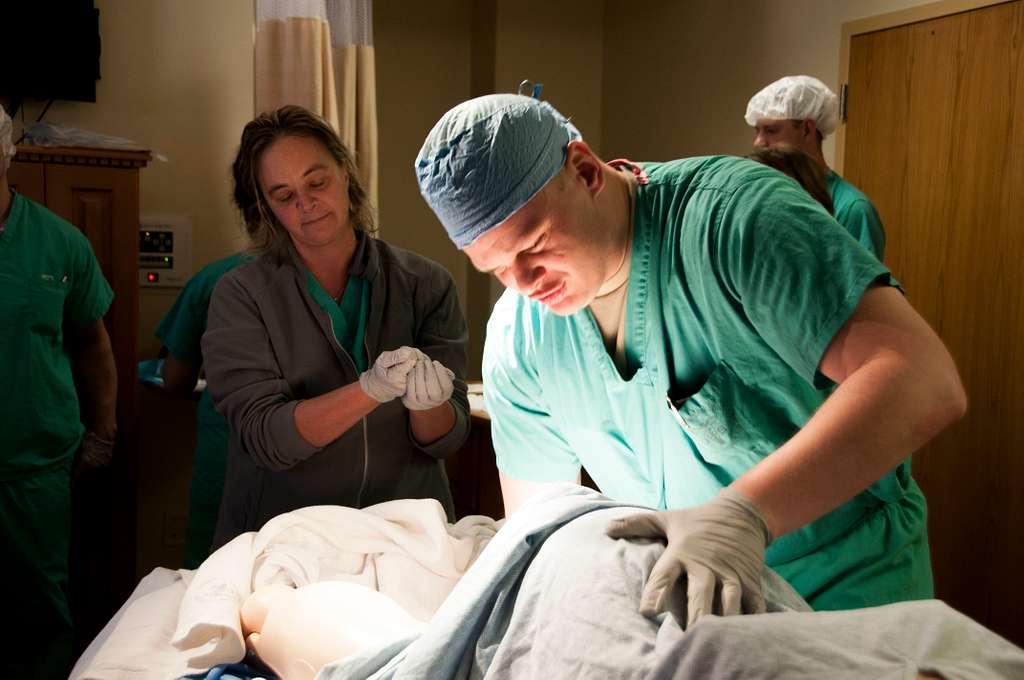
An OBGYN provides care for your reproductive health. Some visits focus on prevention, and others address specific needs. When you know which services are available, you can plan your visit and prepare your questions.
Tests Your OBGYN Offers
A well-woman visit is a yearly checkup with your OBGYN. Your doctor reviews your health history, and you discuss any changes since your last visit. The visit often includes a physical exam, and your doctor checks your blood pressure, weight, and overall health. If you have symptoms or concerns, mention them early so your doctor can adjust the visit. Your doctor may also review medications you take and discuss their effects on your reproductive health. The appointment may also include a Pap smear or STD testing. A Pap smear collects a small sample of cells from your cervix. The test takes a few minutes, and results come back within a few days. Ask your doctor when your next Pap smear is due, and note the date before you leave.
Birth Control Methods Available
Your OBGYN offers several birth control methods, and choosing the right one depends on your lifestyle and health history. Your doctor discusses your daily routine, goals, and any health conditions that affect hormone use. Review your options since you should find the best fit. Common birth control methods your OBGYN may discuss include:
- Birth control pills: Taken daily; standard pills follow a monthly cycle, while extended use pills reduce or eliminate periods. Some also help manage acne or painful periods.
- NuvaRing®: A flexible ring worn in the vagina for three weeks, then removed for one week. It releases hormones steadily and is easy to insert.
- Depo Provera injections: Given every three months at your doctor’s office. A low-maintenance option that removes the need for a daily or weekly step.
- IUDs: Placed during an office visit and available in hormonal or copper form. Hormonal IUDs can reduce period pain and flow; copper IUDs are hormone-free.
Family Planning and Fertility
Family planning covers your goals for having children. Some patients want to delay pregnancy, and others want to conceive soon. Your doctor asks about your timeline, and your answer shapes which birth control method fits best. During this conversation, your doctor may also ask about your general health, age, and any conditions that affect pregnancy. These details help your doctor give you accurate, personalized guidance. If your plans are uncertain, your doctor can outline options that offer flexibility, and you revisit the decision at any visit. Plans can change, so share updates at each appointment.
If you are trying to conceive, your doctor reviews your cycle. Discuss ways to track ovulation. Your OBGYN also provides fertility care. Your doctor will order blood tests to check hormone levels, and imaging may be used to examine your reproductive organs. These results help your doctor identify any factors that may affect conception. If initial steps do not lead to pregnancy, your doctor may refer you to a fertility specialist and include your health history. Bring a record of your menstrual cycles to your appointment, and note any irregularities. The more detail you provide, the more your doctor can tailor the next steps to your situation.
Book an OBGYN Appointment
Your OBGYN provides screenings, birth control, and family planning support. Write down your questions, and bring a list of your current medications. When you call to schedule, mention the reason for your visit. Contact your OBGYN today to schedule your next well-woman visit.
- Understanding the Role of Early Intervention in Children’s Orthodontics
- Utilizing Ketamine Infusions To Treat Mood-related Conditions
- How Eye Exams Can Detect More Than Just Vision Problems
- How Balloon Sinuplasty Can Improve Your Quality of Life
- Identifying Anxiety Triggers and Managing Stressful Situations
