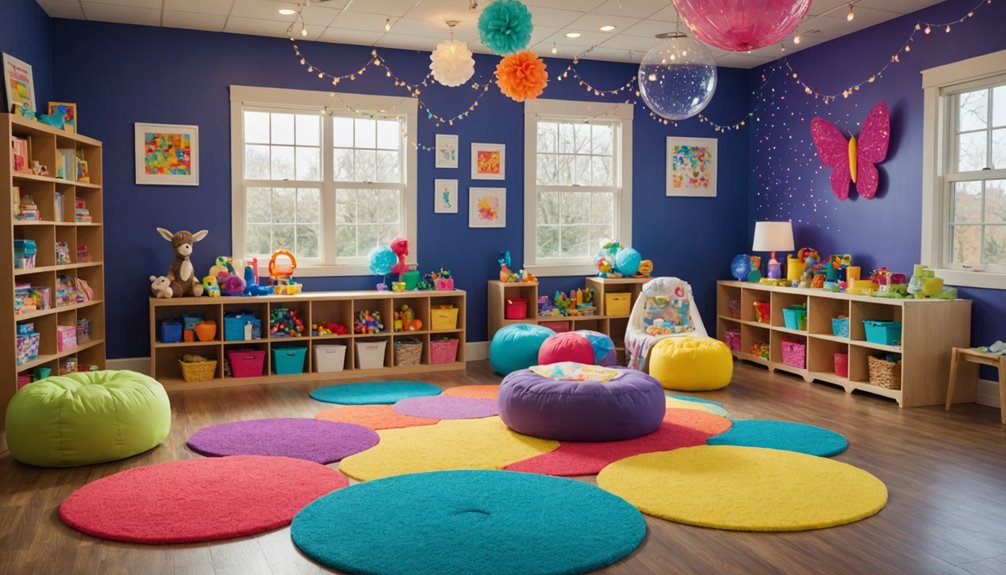
Autism is a neurodevelopmental condition that affects communication, social interaction, behavior, and sensory processing. Individuals with autism may experience heightened or reduced sensitivity to sensory input. These sensory differences can influence daily activities, social interactions, and responses to different environments. Here is more information on some sensory processing issues experienced by individuals with Autism:
Exploring Autistic Sensory Experiences
The senses collect information constantly, and the brain decides what matters. In autism, this filtering process often works differently; a child may notice a ticking clock that others ignore. Some children register sensory input too strongly, others too weakly, and some show both patterns depending on the setting.
Clinicians typically describe two broad response patterns. Over-responsiveness occurs when ordinary input feels intense or uncomfortable to the child. Under-responsiveness occurs when a child needs stronger input to notice it, and this pattern often leads to sensory-seeking behavior. These patterns affect sight, sound, touch, taste, smell, balance, and body awareness, which tells a child where their arms and legs are in space.
Recognizing Sensitivities
Sensory signs vary from child to child, and they often change with age, stress, or environment. Parents who track these behaviors give clinicians useful information during an evaluation. The following signs commonly appear in children with autism:
- Covering ears: The child blocks sound in response to vacuums, hand dryers, or crowded rooms.
- Avoiding certain textures: The child refuses specific clothing, tags, or food textures.
- Turning away from light: Bright or flickering lights make the child squint or leave the area.
- Crashing or jumping often: The child seeks strong body input through rough play or repeated movement.
- Touching objects or people frequently: The child explores surfaces by hand to gain more touch input.
Understanding Sensory Challenges
Sensory differences show up in routine tasks. Toothbrushing, haircuts, and bathing involve close touch, so a sensitive child may resist them. Mealtimes become difficult when a child accepts only a few textures or smells, limiting the variety of foods the family serves.
Classrooms contain fluorescent lights, ringing bells, and constant group noise. A child with autism who feels overwhelmed by this input often has trouble focusing on lessons, and teachers sometimes misread the behavior as defiance. Sensory-seeking children may leave their seats frequently because they need movement to stay alert. Sleep and social activities are also affected. A scratchy blanket or a humming appliance keeps some children awake, while others need heavy covers to settle.
Discovering Support Strategies
Effective strategies begin with knowing a child’s specific sensory profile. A pediatric neurologist can identify which senses are over-responsive or under-responsive, and the family then adjusts routines accordingly. The approaches fall into two main categories.
Adjust the Environment
Environmental changes can reduce unwanted sensory input. Families can use noise-reducing headphones, dim lighting, and tagless clothing to create a quiet space where the child goes to reset. When parents share these strategies with teachers, the school setting can also become more predictable. Visual schedules also help children prepare for transitions between activities.
Build a Sensory Routine
A sensory routine provides planned activities throughout the day. Children who seek input often respond well to jumping on a trampoline, carrying heavy items, or swinging. Sensitive children can practice gradual exposure to difficult textures, and an occupational therapist typically guides this process.
Schedule Your Autism Appointment
Sensory processing differences affect how children with autism respond to sound, touch, light, and movement. These patterns influence self-care, school performance, sleep, and social activities; targeted strategies can help families manage them. A professional evaluation identifies your child’s specific sensory profile and guides practical next steps. Contact a qualified child neurologist near you to schedule your autism appointment today.
- Understanding the Role of Early Intervention in Children’s Orthodontics
- Utilizing Ketamine Infusions To Treat Mood-related Conditions
- How Eye Exams Can Detect More Than Just Vision Problems
- How Balloon Sinuplasty Can Improve Your Quality of Life
- Identifying Anxiety Triggers and Managing Stressful Situations
